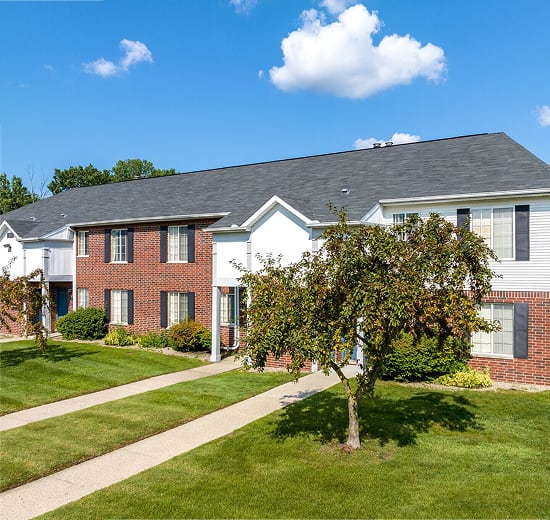
Zoning is the framework local governments use to regulate how land within their jurisdiction can be used and developed. Municipalities divide territory into districts, commonly residential, commercial, industrial, and mixed-use, and attach rules to each covering permitted uses, building height, density, setbacks, parking requirements, and lot coverage.
For real estate investors, zoning shapes what is possible on a given site before a single dollar is spent on construction or renovation. A property zoned for multifamily housing cannot simply be converted to retail without a variance or rezoning approval, and even within an allowed use, zoning can cap unit counts or square footage in ways that directly affect a project's economics. Sponsors evaluating value-add or ground-up development deals typically confirm zoning early in due diligence, since a mismatch between the business plan and current zoning can delay or derail a project entirely. Zoning changes, when they occur, can also meaningfully increase or decrease a property's value.
Further reading: The Lightstone DIRECT Opportunity Whitepaper



ACCESS