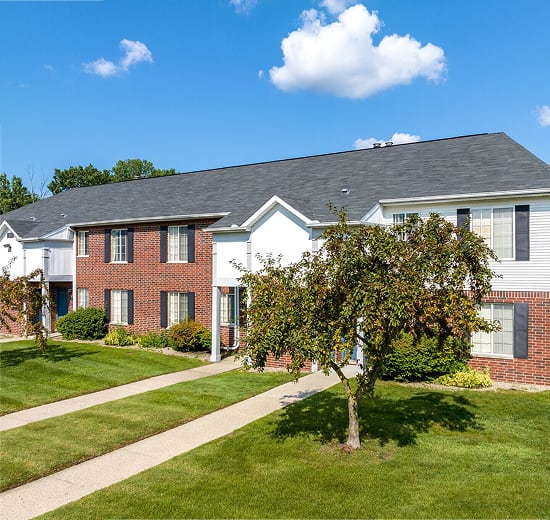
In real estate financial modeling, “reversion” refers to the future sale proceeds of the property – the cash flow from disposition – at the end of the holding period. It’s essentially the terminal value of the investment that an investor expects when exiting the deal. To estimate the reversion value, underwriters typically apply an exit cap rate to the projected Net Operating Income in the year of sale (or use comparable sales). For example, if a project’s stabilized NOI in year 5 is $1 million and an exit cap rate of 6% is assumed, the reversion (gross sale price) would be roughly $16.7 million (before selling costs). The reversion cash flow, net of any brokerage fees or remaining mortgage payoff, combined with the cumulative operational cash flows, determines the investors’ overall return. High-net-worth investors focus on reversion assumptions in a proforma because those can significantly influence the IRR – if the underwriting assumes an aggressively low cap rate (high sale price), the projected returns may be inflated and not reflective of a conservative scenario. Lightstone, emphasizing transparency, will detail its exit assumptions for each deal (e.g., using a cap rate a bit higher than the entry cap rate to allow for market softening) to show that return projections aren’t merely riding on an optimistic resale price. Additionally, in communications, they might stress alternate exit strategies or timelines to maximize reversion value (for instance, hold longer if the market isn’t favorable at the originally modeled year). In short, the reversion is where much of the appreciation upside is realized for value-add and opportunistic deals. Understanding how it’s derived – and seeing sensitivity analysis around it – gives investors insight into the deal’s risk/return profile. With Lightstone’s investor-centric approach, they aim to ensure the reversion (and all assumptions) are realistic, so that investors can rely on proformas as fair-minded estimates rather than overly rosy predictions.

ACCESS