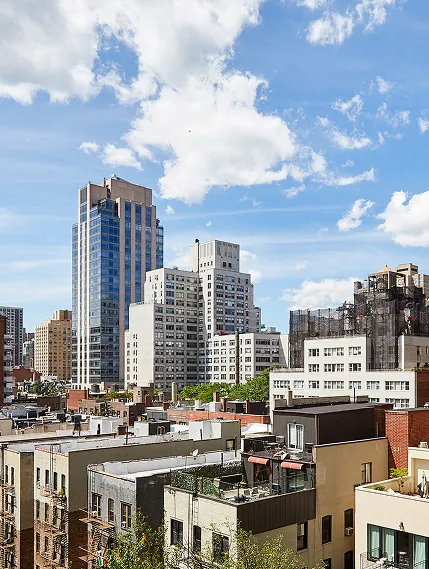
Infill industrial refers to warehouse and distribution properties located within already-developed urban or suburban areas, as opposed to industrial buildings constructed on undeveloped land at the edges of a metropolitan area. Because these sites sit closer to dense population centers, labor pools, and transportation infrastructure, infill industrial properties are particularly valuable for last-mile distribution, where proximity to end customers directly affects delivery speed and cost. Land scarcity is a defining feature of the infill industrial market, since there is limited available acreage for new construction within built-out submarkets, which constrains new supply and tends to support rent growth over time for existing buildings. This scarcity dynamic sets infill industrial apart from other categories of industrial property, where large tracts of land in outlying areas still allow for substantial new development. For investors, infill industrial assets often carry a premium valuation relative to outlying bulk distribution space, reflecting both the difficulty of replicating their locations and their strategic importance to modern supply chains.
Further reading: An Investor's Guide: Industrial Real Estate Sub-Asset Types
Watch: Investing in Industrial Assets with Lightstone DIRECT


ACCESS