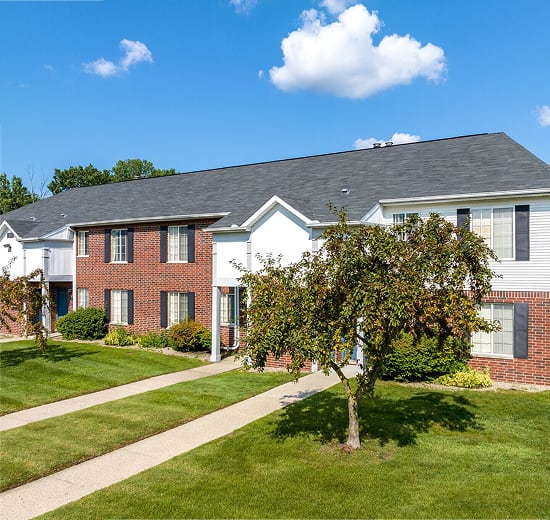
A hands-on real estate investment strategy where an investor purchases a property, renovates or improves it, and then sells it quickly for a profit. Typically, fix-and-flip targets are distressed or outdated homes in strong markets – properties that can be bought at a discount, upgraded (e.g. through cosmetic rehab or even major remodeling), and resold within a short timeframe (often 6–18 months) at a higher price due to the improvements. Profits are generated from the added value of the renovations plus any market appreciation. This strategy can yield high returns on investment, but it also comes with notable risks and challenges: cost overruns on construction, project delays, or changes in market demand can erode or eliminate profit. Additionally, because hold periods are short, gains from flips are usually taxed as short-term capital gains (at higher ordinary income tax rates) unless the property was held longer than a year. Many high-net-worth investors prefer more passive or long-term strategies, but some allocate a portion of capital to fix-and-flip projects – often by backing experienced sponsors or developers who specialize in this area. On the Lightstone platform, the focus is more on stable income- producing assets and longer-term value creation rather than quick flips, aligning with accredited investors’ goals of steady wealth accumulation. However, the underlying principle of fix-and-flip – adding value through expertise and improvements – is also present in Lightstone’s value-add and opportunistic deals (e.g., repositioning an apartment building can be viewed as a “fix-and-flip” on a larger scale). In all cases, Lightstone’s emphasis on thorough due diligence and execution ensures that any improvement plan is realistic and aimed at delivering strong, sustainable gains for investors, rather than speculative quick profits.

ACCESS