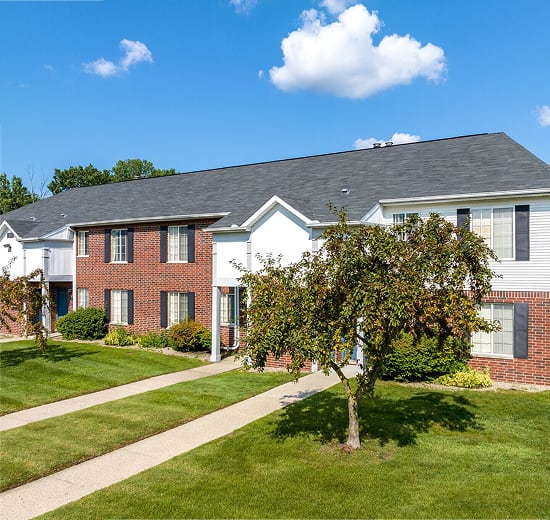
A capital improvement is a substantial, permanent upgrade or addition to a property that enhances its value, extends its useful life, or adapts it to new uses. Examples include things like adding a new roof, installing an elevator, renovating a lobby, or building an extension – as opposed to minor repairs or routine maintenance. In real estate investing, capital improvements are central to value-add strategies: they often require a significant upfront expense but can lead to higher rent, increased occupancy, or a higher eventual sale price. For accredited investors considering private real estate opportunities, understanding the role of capital improvements is key to evaluating a business plan. If a sponsor plans a series of capital improvements (say, upgrading all unit interiors and amenities in a 1980s apartment complex), an investor should examine:
(1) the budget for those improvements (Are costs estimated reasonably? Is there contingency?)
(2) the expected payoff (How much rent increase or value jump is forecast? Does that seem realistic given the market?)
(3) the disruption and timing (Will units be offline? How long until cash flows reflect the improvements?).
Capital improvements also carry tax implications beneficial to investors: these expenses are typically capitalized and depreciated, rather than immediately expensed. That means they can increase the tax basis of the property (potentially reducing taxable gain on sale or increasing depreciation deductions). In some cases, investors may also get bonus depreciation or cost segregation benefits from improvements, which can shelter income in the early years. However, when the property is sold, depreciation taken is subject to depreciation recapture.
Another consideration: properties that have been well-maintained with regular capital improvements generally preserve value better (core investors often seek assets with “no deferred maintenance”). Conversely, a property in need of capital improvements might be bought cheaper, but then the investor must execute those improvements. In short, capital improvements matter because they are the engine of forced appreciation and risk mitigation in many real estate deals.

ACCESS