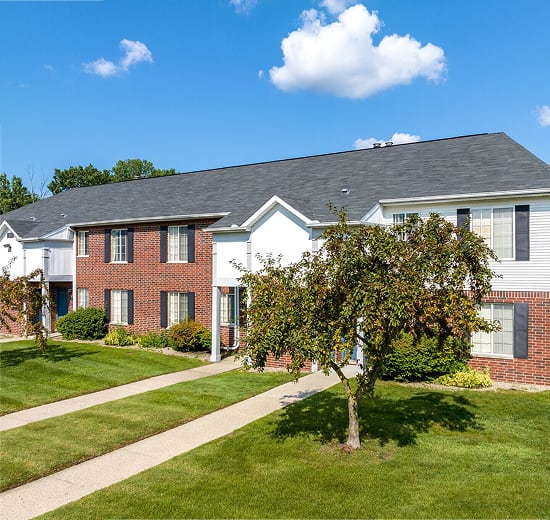
The cap rate is a core metric in real estate that measures the annual return on a property relative to its value or purchase price, assuming no leverage. It’s defined as Net Operating Income (NOI) divided by the property’s current market value and expressed as a percentage. For example, if a property’s NOI is $1 million and its value is $20 million, its cap rate is 5%. Investors use cap rates as a shorthand for comparing investment opportunities and assessing market conditions. A higher cap rate implies a higher yield (but often accompanies higher perceived risk or lower growth prospects), whereas a lower cap rate suggests a lower yield (often for a property seen as safer or in a high-demand location). High-net-worth investors considering private real estate deals will look at cap rates to judge if a property is priced reasonably. If a deal is offered at a 4% cap rate in a market where comparable assets trade at 5.5%, that means it’s relatively expensive – perhaps justified by superior growth prospects or location, but it warrants scrutiny. Conversely, acquiring at a higher cap rate (say 8%) might indicate a value- add or secondary market asset where there’s more risk or upside. Cap rates also factor into exit strategy: many underwriting models assume an “exit cap rate” to estimate resale value in the future. Typically, prudent underwriting might assume a slightly higher cap rate at sale than at purchase (to account for aging of the property or market cycles), which lowers the projected sale price and is a conservative approach. From a macro perspective, cap rates tend to move with interest rates and capital liquidity. For instance, if interest rates rise significantly, cap rates often increase (property values fall) because investors demand a higher return over the risk-free rate. Accredited investors, especially those with income-focused strategies, might target specific cap rate profiles – e.g., core assets might trade at low cap rates (~4-5%) but offer stability, whereas opportunistic deals might effectively target a much higher stabilized cap rate after improvements. It’s also worth noting that cap rate is a snapshot and doesn’t capture the full picture (for example, it ignores leverage and future NOI growth), but it is invaluable for quick comparisons. In summary, cap rates matter because they are the lingua franca of real estate valuation and yield. They help investors ensure they’re not overpaying, gauge the balance between current income and potential growth, and make apples-to-apples comparisons between different markets or property types. Essentially, cap rate is one way to answer the question: What return (unlevered) is this property generating at the price I’m paying? – a question every savvy investor asks.

ACCESS