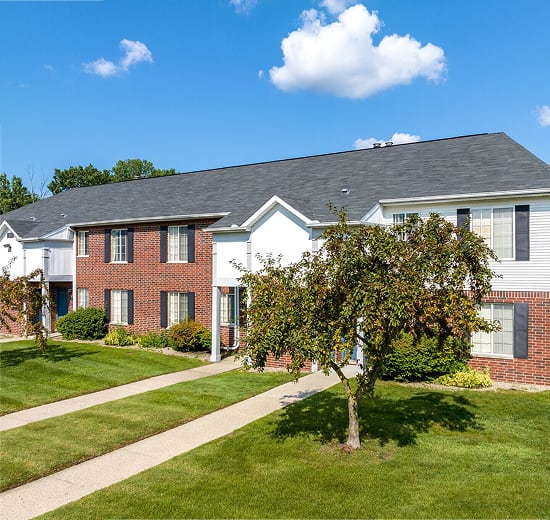
Non-recourse debt is a loan secured solely by the property pledged as collateral, meaning the lender's ability to recover losses in the event of default is generally limited to seizing and selling that property, rather than pursuing the borrower's other assets or personal wealth. This structure is common in commercial real estate financing, particularly for stabilized, income-producing properties.
Most non-recourse loans include carve-outs, sometimes called bad-boy provisions, that reintroduce personal liability for the borrower in cases of fraud, misrepresentation, or other bad-faith conduct, such as unauthorized transfers or misapplication of insurance proceeds. Outside of those carve-outs, non-recourse financing shifts a meaningful portion of downside risk from the sponsor and its investors to the lender, which is one reason lenders typically apply more conservative underwriting standards, including lower leverage and stricter reserve requirements, than they would for recourse loans.
Further reading: Real Estate Investment Strategies for Accredited Investors in 2026



ACCESS