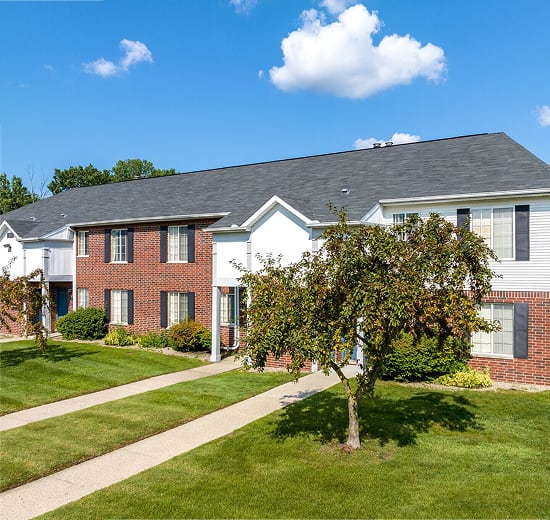
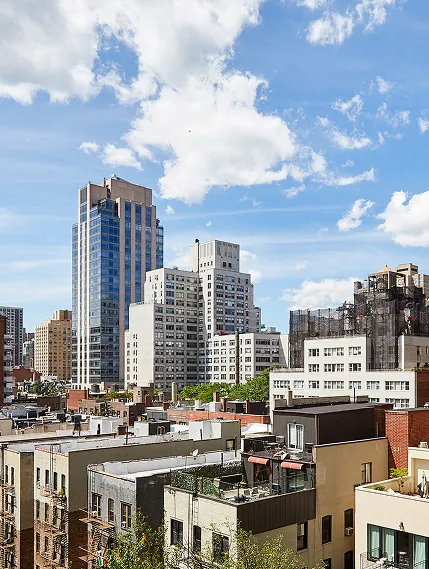
An inflation hedge is an asset whose value tends to hold steady or increase during periods of rising prices, helping protect an investor's purchasing power. Real estate has long been considered a natural inflation hedge for several reasons. Leases, particularly shorter-term residential leases, can be reset to market rates relatively quickly, allowing rental income to rise alongside broader price levels. Replacement costs for construction materials and labor also tend to climb with inflation, which can support the value of existing buildings as new development becomes more expensive.
Debt used to finance real estate can add a further benefit during inflationary periods, since a fixed-rate mortgage payment stays constant in nominal terms even as rental income and property values rise. That combination, income that adjusts upward and financing costs that don't, is part of why real estate has historically attracted investors looking to protect capital when consumer prices are climbing faster than typical fixed-income yields can keep pace with.
Further reading: Real Estate Crowdfunding and Its Discontents


ACCESS