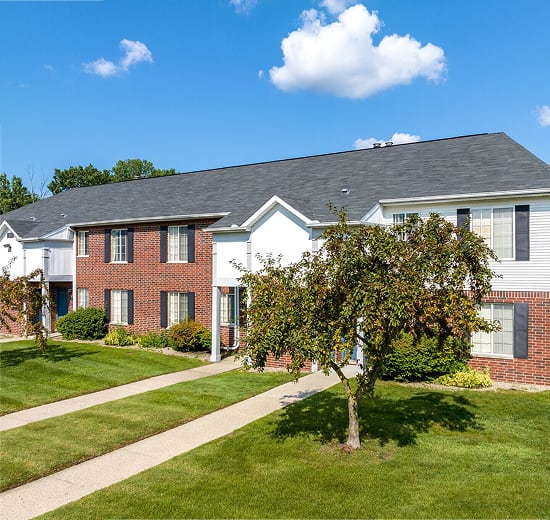
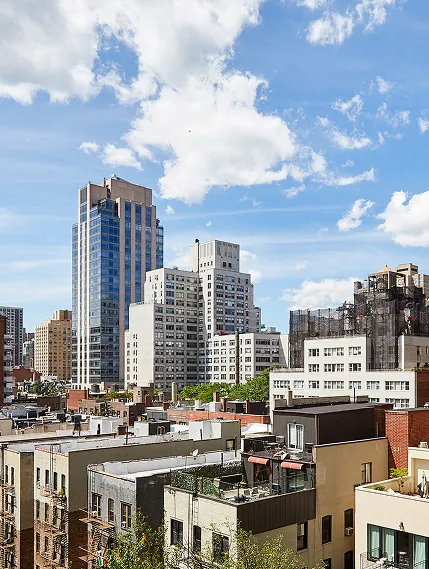
A ground lease is a long-term arrangement, often running 50 to 99 years, in which a landowner leases the underlying land to a tenant who then constructs or operates improvements on it. The tenant, sometimes called the leasehold owner, typically owns the building and any structures during the lease term, while the landowner, or fee owner, retains title to the land itself and collects rent. At the end of the lease, ownership of the improvements generally reverts to the landowner unless the agreement provides otherwise.
Ground leases appear frequently in dense urban markets, at retail pad sites, and in situations where an owner wants to retain long-term land ownership while allowing a developer to build. From an investor's perspective, land under a ground lease can offer a low-risk, bond-like income stream, since rent payments are typically fixed or escalate on a predictable schedule and the tenant bears construction and operating risk. Because the land is separated from the improvements, valuing a ground lease position requires close attention to remaining term, rent resets, and reversion rights.
Further reading: The Lightstone DIRECT Story



ACCESS