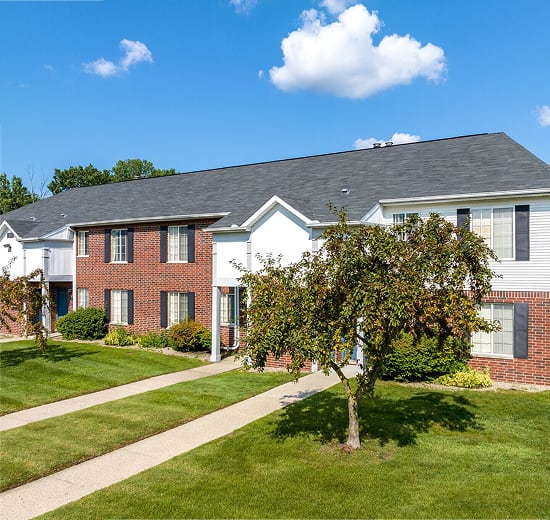
A Delaware Statutory Trust, or DST, is a legal structure that allows multiple investors to hold fractional, undivided interests in one or more real properties without taking on the responsibilities of active property management. DSTs are widely used as replacement property in Section 1031 exchanges because the IRS has ruled, under specific conditions, that a beneficial interest in a properly structured DST qualifies as like-kind real estate, allowing investors to defer capital gains tax while shifting into a passive ownership role.
Because a DST typically holds institutional-quality property, such as a large multifamily community or commercial asset, it lets investors who no longer want to manage tenants or make ongoing property-level decisions still complete a like-kind exchange with proceeds that might otherwise be too small to buy comparable property outright. DST investors generally cannot make operational decisions about the underlying asset, since those decisions rest with the trust sponsor. DSTs are frequently discussed as a solution within a broader 1031 exchange strategy for investors seeking to exit direct ownership without triggering a taxable sale.
Further reading: Understanding 1031 Exchanges: A Guide for Accredited Real Estate Investors
Watch: Lightstone DIRECT’s Jonathan Spitz on Why Now Is a Good Time to Invest (Short)



ACCESS